

SEE IT.
Recognising the signs is the first step towards change.
Domestic abuse rarely begins with violence. It often begins with behaviours that are mistaken for love, care or protection. Learning to recognise these signs can be the beginning of a safer future.
Continue to NAME IT →Abuse doesn't always leave visible bruises.
Many abusive relationships begin gradually. The warning signs can be difficult to recognise because they often appear as affection, concern or commitment.
Over time, these behaviours can become control. Control becomes fear. Fear becomes isolation. And one day you realise you no longer recognise yourself.
should never make you feel small.
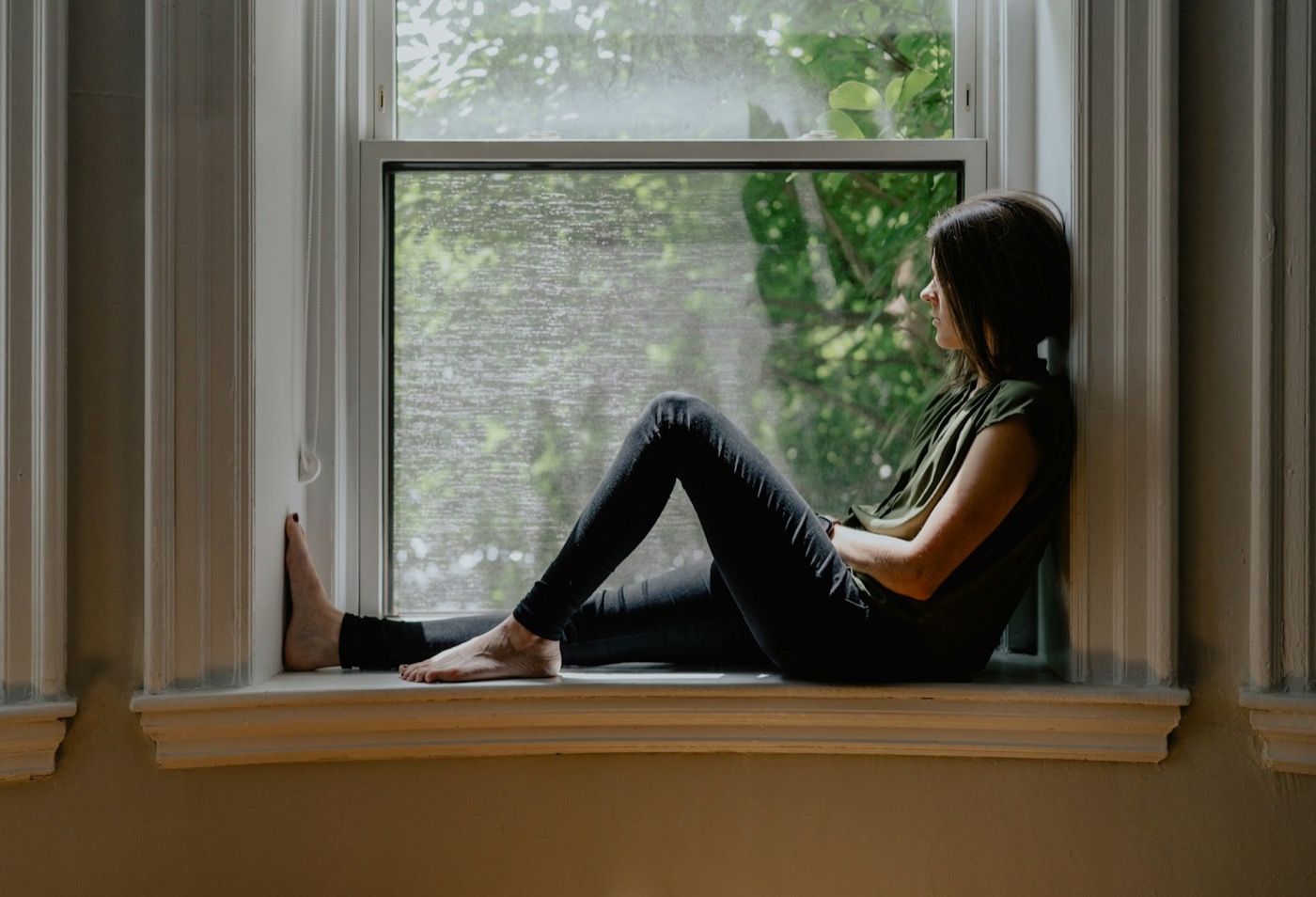
Your feelings. They often know before your mind does.
Early warning signs
These behaviours can be difficult to recognise, especially when they are disguised as love, care or concern.
Love bombing
Excessive affection and attention that quickly becomes control.
Constant monitoring
Always needing to know where you are and who you are with.
Isolation
Encouraging distance from friends and family.
Financial control
Limiting your independence through money.
Digital control
Checking your phone, passwords or social media.
Humiliation
Criticism, insults or making you feel small.
Jealousy disguised as love
Possessiveness presented as proof of affection.
Walking on eggshells
Feeling anxious about saying or doing the wrong thing.
You are paying attention.
Ask yourself
- 1
Do you feel less like yourself than you used to?
- 2
Do you avoid upsetting your partner?
- 3
Do you feel guilty for spending time with family or friends?
- 4
Do you often apologise, even when you have done nothing wrong?
- 5
Do you feel constantly monitored?
- 6
Have you stopped doing things you once enjoyed?
- 7
Does your relationship make you feel smaller instead of stronger?
If some of these questions feel familiar, you are not alone.
Abuse can affect anyone.
Domestic abuse does not discriminate. It can affect women, men, young people, older people, parents, professionals and people from every culture, background and community.
Women·Men·Young people·Older people·Parents·Professionals·Every culture & community
No one is immune. No one deserves it.

Same reality. Same support.
It is not your fault.
Many survivors blame themselves. Many wonder if they are overreacting. Many believe things will change.
Recognising abuse is not weakness. It is the beginning of understanding.
What happens next?
You've recognised some of the signs. The next step is understanding why these behaviours happen and why abuse is often difficult to recognise.
Continue to NAME IT →
leads to a brighter tomorrow.
"Recognition is where every new beginning starts."